
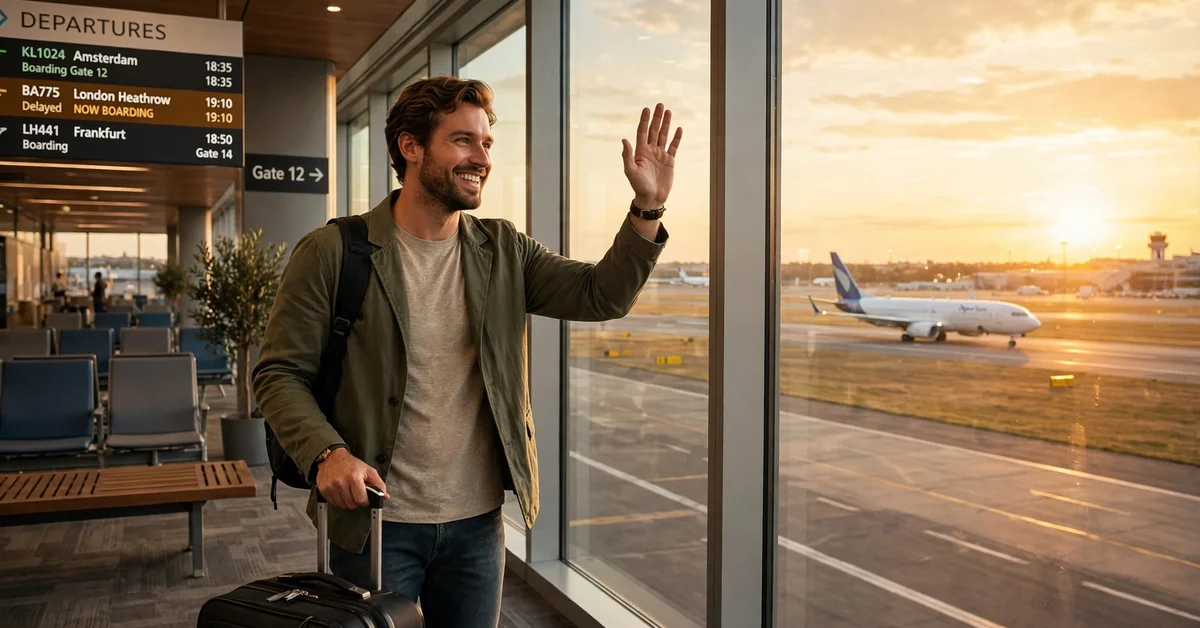
Your bags are packed, your phone is buzzing, and someone you care about has just said, “Have a safe trip!” You smile — and then, for a second, you wonder what to say back. “Thanks” feels too small. “You too” doesn’t quite fit, because they’re not going anywhere. Sound familiar?
Here’s the thing: “have a safe trip” is really a little gift of care. The person isn’t just being polite — they’re saying, “I want you to come back in one piece.” The best responses to have a safe trip do two things at once: they thank the person for caring, and they reassure them that you’ll be careful. This guide gives you those replies for every kind of journey — a flight, a road trip, a long trip abroad, a quick text at the airport gate — so you never have to settle for a flat “thanks” again.
Quick Answer
The best response to “have a safe trip” is warm, short, and reassuring: “Thank you! I’ll be careful — and I’ll message you when I arrive.” That one line covers gratitude, safety, and a promise to stay in touch. Flying? Try “Thanks! I’ll send you a photo from the clouds.” Driving? “Will do — seatbelt on, playlist ready!” For a long trip abroad, go deeper: “Thank you, that means a lot. I’ll miss you — and I’ll bring back stories.” The sections below give you ready-made replies for every trip and every relationship.
What “Have a Safe Trip” Really Means — and Why “Thanks” Alone Can Feel Flat
When someone says “have a safe trip,” they’re doing more than wishing you well. They’re admitting, in a small way, that they’ll worry about you while you’re gone. That’s why a bare “thanks” sometimes feels thin — it answers the words but not the feeling behind them. Cambridge Dictionary defines a journey as the act of travelling from one place to another, and Merriam-Webster describes travel in much the same way — but a trip is never just movement. It’s time apart from the people who care about you.
So the trick is simple: thank them, then add one small reassurance. A promise to text on arrival, a joke about your driving, or a line about missing them turns a routine exchange into a real goodbye. You don’t need a speech. One extra clause is enough.
Best Responses to Have a Safe Trip Before a Flight
Flights bring their own kind of nerves — queues, delays, turbulence, and that strange silence after takeoff. These replies work at the airport, at the departure gate, or in a text sent just before you switch your phone to flight mode.
“Thank you! I’ll text you the moment I land.” — The gold-standard reply. It tells a worried friend or parent exactly what they want to hear.
“Thanks! Fingers crossed for a smooth flight and a window seat.” — Light, hopeful, and easy to say to anyone.
“Will do — I’ll send you a photo from above the clouds!” — Lovely for a close friend, because it turns the trip into something you’ll share.
“Thank you! I’ve got my book, my snacks, and my boarding pass — I’m ready.” — Confident and cheerful, perfect when someone is fussing over you.
“Thanks! If the flight’s delayed, you’ll hear about it first.” — Honest and funny, ideal for the friend who always wants updates.
When-to-use tip: if you’re replying from the airport, keep it short — you’re busy, and the other person knows it. One warm line plus a landing promise beats a long message you’ll never finish typing.
Best Responses to Have a Safe Trip for a Road Trip
Road trips are different from flights. The person imagines you behind the wheel for hours, so your reply should sound steady and prepared — not reckless, not anxious, just ready.
“Will do — seatbelt on, playlist ready, snacks packed!” — The classic road-trip reply. It paints a picture and reassures at the same time.
“Thanks! I’ll take plenty of breaks and drive steady.” — Perfect for a parent or partner who worries about long drives.
“Thank you! The road is calling — I’ll send you a photo from the first stop.” — Adventurous without sounding careless.
“Don’t worry, I’m a careful driver — but I’ll still be extra careful for you.” — Sweet and a little playful; great for someone who teases you about your driving.
“Thanks! I’ll keep you posted from every rest stop.” — Ideal for a long drive, because it gives the other person a reason to relax.
When-to-use tip: never joke about speeding or falling asleep at the wheel when someone wishes you safety. Even as a joke, it lands badly — it tells them the very thing they’re worried about.
Best Responses to Have a Safe Trip for a Long Trip Abroad
A trip abroad — studying overseas, a work assignment, a holiday across the world — carries more emotion than a weekend away. The goodbye is bigger, and your reply should match it.
“Thank you, that means a lot. I’ll miss you — and I’ll bring back stories.” — Warm, honest, and it promises a reunion.
“Thanks! I’ll explore, stay safe, and call you every Sunday.” — A regular call promise is the kindest thing you can give someone who’ll miss you.
“I will — and I’ll think of you every time something reminds me of home.” — Emotional without being heavy; beautiful for a parent or partner.
“Thank you! Same time next year, I’ll be telling you all about it.” — Forward-looking and fun, great for friends.
“Thanks! I’ll take care of myself — and I’ll take lots of photos so you can travel with me.” — Lovely for grandparents or anyone who can’t travel themselves.
When-to-use tip: for a long trip, a reply that includes a plan — a weekly call, photos, a return date — comforts people far more than “don’t worry.” Worry doesn’t listen to reassurance, but it does listen to a plan.
Short Text Replies When You’re Already on Your Way
Sometimes the wish arrives when you’re already rushing — bags in hand, taxi waiting, boarding call echoing. These replies are short enough to type in seconds, but warm enough to count.
“Thank you! On my way now.” — Simple, complete, and honest.
“Thanks! Talk soon.” — Perfect when you’ll message again from the journey.
“Will do! Miss you already.” — Sweet and quick, ideal for someone close.
“Thank you! Updates coming.” — The best reply when several people are tracking your trip.
“Thanks! See you on the other side.” — Playful and confident, great for a friend.
When-to-use tip: a short reply is never rude when you’re visibly travelling. What feels cold is silence. Even two words, sent quickly, tell the person you heard them.
Warm Replies for Someone Who Worries About You
Some people — usually parents, partners, and very close friends — don’t just say “have a safe trip” out of politeness. They genuinely worry. These replies speak directly to that worry, gently.
“Thank you for caring — I promise I’ll be careful.” — Direct, sincere, and exactly what a worried parent wants to hear.
“I will, I promise. And I’ll call you when I get there, okay?” — The promise of a call turns worry into waiting, which feels much better.
“Thanks, Mum/Dad — I’ll look after myself, I promise.” — Personal and reassuring; use their name or title and it lands even softer.
“Your good wishes are the best travel insurance I could ask for.” — A little poetic, and it tells them their care actually matters to you.
“Thank you. Knowing you’re thinking of me makes the trip feel safer already.” — Honest and tender, perfect for someone you love deeply.
When-to-use tip: never brush off a worried person’s wish with “relax, I’ll be fine.” It dismisses their feeling. Accept the care first, then reassure — in that order.
Funny Responses to Have a Safe Trip for Close Friends
With close friends, humour is part of the goodbye. These replies keep the mood light — but only use them where jokes are welcome.
“Thanks! I’ll try not to get lost — no promises, though.” — Self-deprecating and fun.
“Safe? I’m going for legendary. But I’ll settle for safe.” — Confident, funny, and very shareable.
“Thank you! If I don’t come back, you can have my snacks.” — A classic friend joke that always gets a laugh.
“Will do — and I’ll bring you back something better than a fridge magnet.” — Playful, and it sets up a souvenir promise.
“Thanks! I’ll be so safe, even the seatbelt will be bored.” — Silly in the best way, ideal for a group chat.
When-to-use tip: funny replies work best with friends who already joke with you. If someone sounds genuinely anxious, lead with warmth and save the joke for your second message.
Professional Responses to Have a Safe Trip at Work
At work, the wish often comes from a boss, a client, or a colleague before a business trip. Here, gratitude and competence matter more than warmth — but you can still sound human.
“Thank you! I’ll keep you updated throughout the trip.” — Professional and practical; it promises communication, which is what work cares about.
“Thanks! I’ll make sure everything runs smoothly.” — Confident without boasting.
“I appreciate it — I’ll send a summary when I’m back.” — Perfect before a conference or client visit.
“Thank you! Looking forward to a productive trip.” — Positive and businesslike.
“Thanks! I’ll be in touch if anything comes up.” — Calm, reliable, and exactly right for a manager.
When-to-use tip: at work, skip the jokes about getting lost or the emotional goodbyes. One polished line, plus a concrete work promise, is the whole job.
Responses to Avoid
A few replies technically work but quietly land wrong. Watch out for these:
“Yeah, whatever.” — Dismissive. It tells a caring person their wish didn’t matter.
“I don’t need luck.” — It sounds arrogant, and it rejects the kindness behind the wish.
Joking about danger (“Hope the plane doesn’t crash!”). — Even as a joke, it feeds the exact fear the other person is trying to push away. Never say it to someone who worries.
“You too!” when they’re not travelling. — A reflex reply that makes no sense here. If they’re staying home, wish them something else instead — “Thanks! I’ll miss you” works better.
Ignoring the message completely. — Silence before a trip worries people more than any wrong reply. Even a quick “Thank you!” is enough.
Key Takeaways
First, remember what the wish really is: someone saying they care about your safety. Second, thank them and add one reassurance — a landing text, a driving promise, or a weekly call. Third, match the trip: confident and practical for flights and road trips, warmer and more personal for long journeys abroad, polished at work, playful with close friends. And when you’re in a rush, a short warm reply always beats silence.
Conclusion
Replying to “have a safe trip” doesn’t need to be complicated. The person just wants to know you heard them, you appreciate their care, and you’ll take reasonable care of yourself. Thank them, reassure them with one small promise, and go enjoy the journey. Pick two or three replies from this guide that sound like you, keep them ready for your next departure, and you’ll never freeze at the airport gate again.
Frequently Asked Questions
What is the best reply to “have a safe trip”?
The best all-purpose reply is “Thank you! I’ll be careful — and I’ll message you when I arrive.” It thanks the person, reassures them, and promises an update, which is everything a well-wisher wants to hear.
What do you say when someone says “have a safe journey”?
“Have a safe journey” means the same thing, so the same replies work: “Thank you! I’ll keep you posted” or “Thanks! I’ll send you a photo from the road.” Use whichever version sounds natural to you.
Is it rude to just say “thanks” to “have a safe trip”?
Not rude at all — “thanks” is always polite. Adding one small reassurance, like “I’ll text when I land,” simply makes it warmer, especially for someone who worries about you.
How do you reply to “have a safe trip” from your boss?
Keep it professional: “Thank you! I’ll keep you updated throughout the trip” or “Thanks! I’ll send a summary when I’m back.” Skip jokes and emotional goodbyes at work.
What is a funny reply to “have a safe trip”?
With close friends, try “Thanks! I’ll try not to get lost — no promises, though” or “Safe? I’m going for legendary. But I’ll settle for safe.” Save funny replies for friends who enjoy your humour.
What should you not say when someone wishes you a safe trip?
Don’t dismiss it (“yeah, whatever”), don’t joke about danger or crashes, and don’t say “you too” to someone who isn’t travelling. A warm thank-you plus one reassurance is always the safest choice.
Related Responses
- Best Responses to Have a Great Day
- Best Responses to See You Soon
- Best Responses to Take Care
- Best Responses to Good Luck

Ayan Zaman is a content writer and researcher at answertutorials.com, specializing in text meanings, slang, abbreviations, and everyday communication. He creates clear, practical, and easy-to-understand guides to help readers communicate with confidence. His content focuses on accurate explanations, real-world examples, and useful answers for modern digital conversations.